A Day in the City
1Morning park and tea
2Campus study
3Panda or museum afternoon
4Hotpot and music night
Student city guide
“In Chengdu, study and life both know how to slow down.”
Chengdu gives students a rare balance: strong universities and technology sectors, but also teahouses, pandas, hotpot, live music, parks, and a daily rhythm that makes China feel easy to love.
Chengdu is relaxed, food-rich, student-friendly, and increasingly strong in technology and healthcare.

Sichuan
Tea houses, old streets, food markets, mountain routes, and western Sichuan trips are major draws.
7
schools
$500-800/month
living cost
6
major areas
Travel and culture
Tea houses, old streets, food markets, mountain routes, and western Sichuan trips are major draws.
We combine budget, major, city preference, and application timeline to narrow your city and school list into an actionable plan.
Student city guide
“In Chengdu, study and life both know how to slow down.”
Chengdu gives students a rare balance: strong universities and technology sectors, but also teahouses, pandas, hotpot, live music, parks, and a daily rhythm that makes China feel easy to love.
Chengdu is relaxed, food-rich, student-friendly, and increasingly strong in technology and healthcare.
Sichuan
Tea houses, old streets, food markets, mountain routes, and western Sichuan trips are major draws.
7
schools
$500-800/month
living cost
6
major areas
Travel and culture
Tea houses, old streets, food markets, mountain routes, and western Sichuan trips are major draws.
We combine budget, major, city preference, and application timeline to narrow your city and school list into an actionable plan.
Chengdu food
City appeal influences whether students want to stay, share, and recommend studying in China.
Jiuzhaigou
City appeal influences whether students want to stay, share, and recommend studying in China.
Tech parks
City appeal influences whether students want to stay, share, and recommend studying in China.
City personality
Chengdu has a rare emotional advantage: students feel welcomed quickly. Tea houses, hotpot, pandas, music, parks, software parks, hospitals, and western Sichuan travel routes make the city both comfortable and exciting.
1Morning park and tea
2Campus study
3Panda or museum afternoon
4Hotpot and music night
Dujiangyan and Qingcheng Mountain
Jiuzhaigou long trip
Western Sichuan road route
Chengdu is strong for low-pressure friendship: food tables, cafes, board games, music venues, parks, and language exchange feel natural.
Chengdu can make students fall in love with China through warmth before they even talk about rankings.
Food and travel
Chengdu is one of the strongest food cities for attracting global students. Hotpot, chuanchuan, dan dan noodles, mapo tofu, rabbit dishes, tea houses, and street snacks make the city immediately lovable. Food is also social here: it is how students make friends, relax, and understand local warmth.
Hotpot
The most social Chengdu meal; best with a group.
Chuanchuan
Casual, affordable, and very student-friendly.
Dan dan noodles
A small bowl with big Sichuan flavor.
Tea-house snacks
A gentle way to spend an afternoon with friends.
Old neighborhoods and parks
Tea, snacks, local pace, and everyday warmth.
University zones
Hotpot, noodles, cafes, and student prices.
Taikoo Li and creative districts
Modern Chengdu, fashion, coffee, and youth culture.
Panda base
A globally lovable reason to visit Chengdu.
Tea-house afternoon
The best way to feel Chengdu's relaxed rhythm.
Western Sichuan trips
Mountains, valleys, and road trips create unforgettable long-weekend memories.
International student life
Chengdu is famous for comfort, but it is not lazy. It combines strong universities, teahouse culture, hotpot nights, live music, pandas and a slower rhythm that helps many students feel at home.
Sichuan University Wangjiang area
Central, lively and close to restaurants, bars and old neighborhoods.
UESTC Shahe and Qingshuihe
A strong engineering and tech atmosphere, with different rhythms between old and new campuses.
Wenjiang and Xipu
More affordable and calmer, with campus life, metro access and local food streets.
Hotpot is a social ritual, not just dinner.
Tea houses teach students how Chengdu people spend time without rushing.
Street food, noodles and snacks make daily life affordable and happy.
Panda Base, Kuanzhai Alley, Taikoo Li and live houses give different weekend moods.
Qingcheng Mountain, Dujiangyan and nearby ancient towns are easy escapes.
Sichuan opera and teahouse performances make culture feel close.
Chengdu is friendly to students who want to make Chinese friends through food, music and hobbies.
Jiuyanqiao and university areas have active nightlife without losing the city’s relaxed temperament.
Local culture and city visuals
Chengdu attracts global youth because it is relaxed without being empty: pandas, hotpot, teahouses, Taikoo Li, Kuanzhai Alley, Wuhou Shrine, Du Fu poetry, parks, weekend trips, and a talent-friendly city rhythm all sit inside one livable place.

Taikoo Li and Chunxi Road show Chengdu's contemporary side: fashion, food, cafes, bookstores, metro connections, and the famous IFS panda. It is where many students first feel that Chengdu is international but still easygoing.
Student angle
Good for a first city walk after arrival: eat, shop lightly, take photos, practice Chinese, and understand how young Chengdu spends an evening.

The panda base gives Chengdu one of the world's most recognizable city identities. For students, it turns wildlife protection, science, tourism, and pure happiness into a morning route.
Student angle
Best in the morning. It is also a strong route for social media, biology and ecology interests, and a gentle introduction to Chinese conservation work.

Kuanzhai Alley is a compact introduction to Chengdu's texture: courtyard memory, snacks, tea, dialect, small shops, tourists, locals, and the feeling that the city prefers sitting down to rushing through.
Student angle
Useful for language learners because the route is full of ordering, asking prices, reading signs, and hearing local accents.

Wuhou Shrine lets students meet the Three Kingdoms as a living cultural route. Hanfu photos, old trees, plaques, courtyards, and Jinli nearby make history social and memorable.
Student angle
Strong for students who like history, storytelling, costume culture, Chinese literature, or immersive cultural photos.

Du Fu Thatched Cottage gives Chengdu literary depth. It is one of the best places for students to understand that Chinese culture is not only spectacular, but also quiet, humane, and close to daily life.
Student angle
Pair it with a teahouse or cafe afternoon. It is a gentle reset route after exams, applications, or intensive language classes.
Chengdu is learned through the body: hotpot steam, chuanchuan skewers, tea bowls, street stools, campus meals, and long conversations. This is where classmates become friends.
Student angle
Best for social integration. Even before Chinese becomes fluent, sharing food can make the city feel close.

Taikoo Li gives Chengdu a contemporary first impression. For international students, it is a visible sign that the city is relaxed but not slow, stylish but still warm.
Student angle
Use this image as a real visual clue for imagining daily study life, weekend routes, and the city's atmosphere.

The climbing panda has become a cheerful urban symbol. It connects Chengdu's global panda image with the everyday shopping, transit, and social life of students.
Student angle
Use this image as a real visual clue for imagining daily study life, weekend routes, and the city's atmosphere.

Old lanes help students understand that Chengdu's comfort is not abstract. It is built from courtyards, shaded streets, food smells, and places where people sit down instead of rushing through.
Student angle
Use this image as a real visual clue for imagining daily study life, weekend routes, and the city's atmosphere.

A newer Wuhou Shrine photo keeps the page visually current. Chengdu's heritage is not frozen; it is still part of how young people walk, photograph, and learn the city.
Student angle
Use this image as a real visual clue for imagining daily study life, weekend routes, and the city's atmosphere.

This is Chengdu's quieter side: poetry, shade, garden paths, and a way to recover energy after language classes, applications, and exams.
Student angle
Use this image as a real visual clue for imagining daily study life, weekend routes, and the city's atmosphere.
ColorHub free atmosphere image: it supports Chengdu's teahouse and cafe rhythm, where students can slow down, talk, read, and make the city feel personal.
Student angle
Use this image as a real visual clue for imagining daily study life, weekend routes, and the city's atmosphere.
Topics are rewritten from the Chengdu study-city brief, public cultural references, and verified Wikimedia and ColorHub image sources.
Free city plan
Share your major, budget, language background, and scholarship goal. We will connect the city, schools, and timeline into a practical shortlist.
Bars and nightlife
Chengdu's nightlife can be relaxed, stylish, affordable, or high-energy. Students can choose from Chinese-style cocktail bars, craft beer rooms, Taikoo Li terraces, IFS hotel lounges, Lan Kwai Fong, and panda-themed clubs.
A 2026 China Top 50 bar with a fantasy Chinese theme and a cocktail menu built around the twelve traditional time periods.
Craft beer-focused venue with tattoo-like visual design and many imported or niche brewery selections.
American vintage style by Ralph Lauren, with a terrace overlooking Taikoo Li and a hidden cigar-bar feel.
Known for classic cocktails and a terrace overlooking Chengdu's night skyline.
Convenient downtown bar for afternoon-to-late-night drinks.
Classic Chengdu nightlife zone with late hours and many venue choices.
Dance performances usually start after 22:00 and become more energetic after 01:00.
Large guochao-style club near the Panda TV Tower, with about 1,400 square meters of space.
Budget-friendly small-group option, with regular cocktails from around ¥58.
Prices and opening hours may change. Check current listings before going.
In-depth city guide
A city is more than a school location. It shapes what students see, who they meet, and how they grow outside the classroom.
Chengdu works because it gives international students something rare: strong universities, scholarship routes, a lower-cost big-city life, food that immediately creates friendships, pandas, tea houses, old lanes, western Sichuan weekend routes, and a talent-friendly city rhythm under the image of a park city below snow mountains.
Chengdu is one of western China's most dynamic new first-tier cities, attracting students from the United States, Germany, Thailand, Pakistan, and many other countries.
A practical student budget can often sit around RMB 3,500-5,000 per month, depending on housing and lifestyle, with campus housing often much lower than private apartments.
Scholarship channels include Chinese Government Scholarship, International Chinese Language Teachers Scholarship, Chengdu Government Scholarship, and university-level awards.
Chengdu's higher-education ecosystem is broad enough for students interested in comprehensive universities, engineering, transportation, medicine, traditional Chinese medicine, tourism, design, Chinese language, and applied fields.
Sichuan University offers international student routes and scholarship references including Chinese Government Scholarship, International Chinese Language Teachers Scholarship, Chengdu Government Scholarship, and Sichuan University Excellent Student Scholarship.
Southwest Jiaotong University, Chengdu University of Technology, Chengdu University of Traditional Chinese Medicine, Sichuan International Studies University, Chengdu University, and other institutions add choices across engineering, medicine, language, culture, and applied majors.
Chengdu University has received more than 4,600 international students from 78 countries, while Sichuan Tourism University is especially distinctive for tourism and culinary-related strengths.
Chengdu gives students a rare balance: big-city services, international food and transit, but daily pressure that can be much gentler than in China's most expensive coastal cities.
Sichuan University campus dormitory references are around RMB 800-1,200 per month, while off-campus single rooms may sit around RMB 2,000-3,500 depending on area and quality.
A practical monthly total, including local food, transport, and daily life, can often be planned around RMB 3,500-5,000.
Compared with Shanghai-level costs, Chengdu can feel like a city where students get comfort, food, social life, and space without exhausting their budget.
Chengdu is a UNESCO City of Gastronomy, but its food culture is not only a title. Hotpot, chuanchuan, bobo chicken, dan dan noodles, Long chaoshou, and fuqi feipian make the city immediately memorable, especially because eating is social here.
Fuqin Night Market keeps more old Chengdu neighborhood feeling, with local shops, late-night meals, and friendly prices.
Jianshe Lane is a student snack paradise, while Kuixinglou Street near Kuanzhai Alley is convenient for first-time food walks.
Sanse Road Night Market and Jinjiang evening routes show the playful, young, after-dark side of Chengdu.
Chengdu's tourism value is not only in big landmarks. It is the way students can move from pandas to tea houses, from old lanes to riverside evenings, and from the city to Dujiangyan, Qingcheng Mountain, or western Sichuan weekend landscapes.
Chengdu Research Base of Giant Panda Breeding is one of the city's strongest global symbols; morning visits are usually better for seeing active pandas.
Dujiangyan and Qingcheng Mountain connect students with ancient water engineering, Daoist culture, mountains, forests, and world-heritage routes.
Huanglongxi Ancient Town, Kuanzhai Alley, Heming Teahouse in People's Park, Danjing Terrace, Sancha Lake, and nearby villages give students many low-pressure weekend options.
Chengdu is especially strong when culture becomes something students can wear, make, taste, and discuss. University activities around Wuhou Shrine, Pengzhou study trips, bamboo villages, wine villages, Jinsha Site, Shuijingfang, and traditional Chinese medicine routes turn the city into a living classroom.
Students can enter Three Kingdoms culture through Wuhou Shrine and nearby old streets, where Hanfu photography and historical storytelling naturally meet.
Southwestern University of Finance and Economics and other campuses have organized international students into bamboo-art villages, wine villages, and Pengzhou study experiences involving mugwort hammers and herbal sachets.
Chengdu University of Traditional Chinese Medicine summer activities connect students with TCM museums, Panda Valley, Jinsha Site, Shuijingfang, and clinical medicine exchange.
Chengdu is not only attractive for study years. The city is also building routes for overseas talent, internships, innovation, entrepreneurship, and post-study possibilities.
Chengdu has introduced support measures for overseas talent innovation and entrepreneurship.
The 2026 overseas talent internship plan references at least 300 master and doctoral young talents from well-known global universities, with industry visits, internships, cultural exchange, employment tracking, and entrepreneurship guidance.
Excellent overseas talents coming to Chengdu for innovation and entrepreneurship may receive matching support of up to RMB 300,000 under relevant policy references.
Program entry
Popular directions are summarized from the local school catalog.
Local universities
These schools come from the international-student university catalog. Open profiles for tuition, scholarships, majors, reviews, and campus-life context.

University gate
四川大学
China ranking: 16
QS #355
Chengdu
Tuition: $3,000-$5,800/year
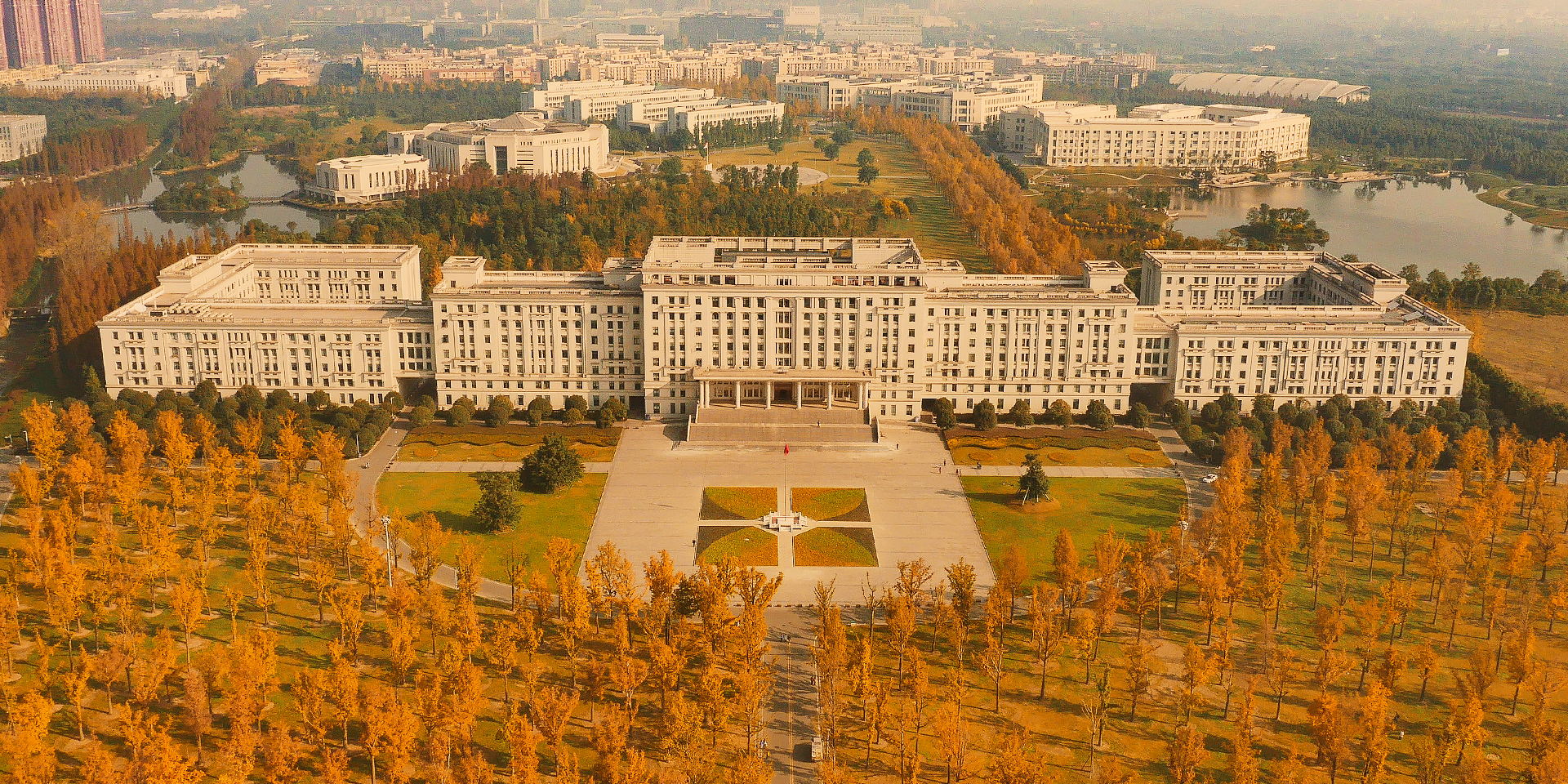
Campus view
University of Electronic Science and Technology of China
China ranking: 33
Chengdu
Tuition: Contact for latest tuition

Campus view
Southwest Jiaotong University
China ranking: 49
Chengdu
Tuition: Contact for latest tuition

Campus view
Southwest University
China ranking: 61
Chengdu
Tuition: Contact for latest tuition

Campus view
Southwest University of Finance and Economics
China ranking: 财5
Chengdu
Tuition: Contact for latest tuition
Campus view
Southwestern University of Finance and Economics
China ranking: 财5
Chengdu
Tuition: Contact for latest tuition
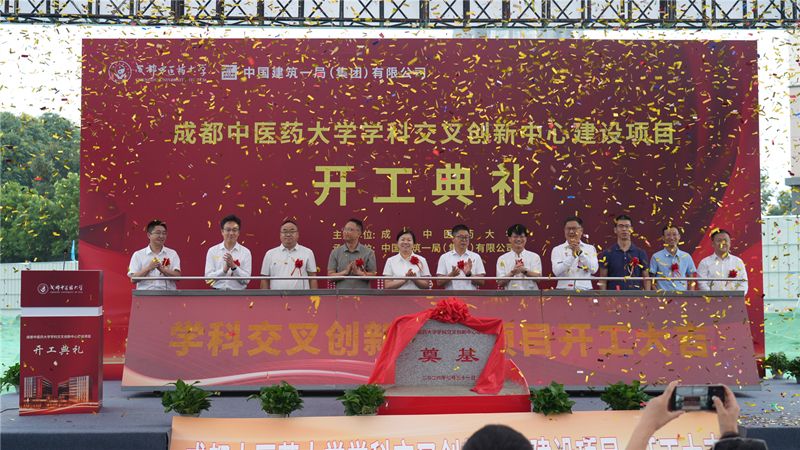
Campus view
Chengdu University of Traditional Chinese Medicine
China ranking: 中医6
Chengdu
Tuition: Contact for latest tuition
Chengdu food
City appeal influences whether students want to stay, share, and recommend studying in China.
Jiuzhaigou
City appeal influences whether students want to stay, share, and recommend studying in China.
Tech parks
City appeal influences whether students want to stay, share, and recommend studying in China.
City personality
Chengdu has a rare emotional advantage: students feel welcomed quickly. Tea houses, hotpot, pandas, music, parks, software parks, hospitals, and western Sichuan travel routes make the city both comfortable and exciting.
1Morning park and tea
2Campus study
3Panda or museum afternoon
4Hotpot and music night
Dujiangyan and Qingcheng Mountain
Jiuzhaigou long trip
Western Sichuan road route
Chengdu is strong for low-pressure friendship: food tables, cafes, board games, music venues, parks, and language exchange feel natural.
Chengdu can make students fall in love with China through warmth before they even talk about rankings.
Food and travel
Chengdu is one of the strongest food cities for attracting global students. Hotpot, chuanchuan, dan dan noodles, mapo tofu, rabbit dishes, tea houses, and street snacks make the city immediately lovable. Food is also social here: it is how students make friends, relax, and understand local warmth.
Hotpot
The most social Chengdu meal; best with a group.
Chuanchuan
Casual, affordable, and very student-friendly.
Dan dan noodles
A small bowl with big Sichuan flavor.
Tea-house snacks
A gentle way to spend an afternoon with friends.
Old neighborhoods and parks
Tea, snacks, local pace, and everyday warmth.
University zones
Hotpot, noodles, cafes, and student prices.
Taikoo Li and creative districts
Modern Chengdu, fashion, coffee, and youth culture.
Panda base
A globally lovable reason to visit Chengdu.
Tea-house afternoon
The best way to feel Chengdu's relaxed rhythm.
Western Sichuan trips
Mountains, valleys, and road trips create unforgettable long-weekend memories.
International student life
Chengdu is famous for comfort, but it is not lazy. It combines strong universities, teahouse culture, hotpot nights, live music, pandas and a slower rhythm that helps many students feel at home.
Sichuan University Wangjiang area
Central, lively and close to restaurants, bars and old neighborhoods.
UESTC Shahe and Qingshuihe
A strong engineering and tech atmosphere, with different rhythms between old and new campuses.
Wenjiang and Xipu
More affordable and calmer, with campus life, metro access and local food streets.
Hotpot is a social ritual, not just dinner.
Tea houses teach students how Chengdu people spend time without rushing.
Street food, noodles and snacks make daily life affordable and happy.
Panda Base, Kuanzhai Alley, Taikoo Li and live houses give different weekend moods.
Qingcheng Mountain, Dujiangyan and nearby ancient towns are easy escapes.
Sichuan opera and teahouse performances make culture feel close.
Chengdu is friendly to students who want to make Chinese friends through food, music and hobbies.
Jiuyanqiao and university areas have active nightlife without losing the city’s relaxed temperament.
Local culture and city visuals
Chengdu attracts global youth because it is relaxed without being empty: pandas, hotpot, teahouses, Taikoo Li, Kuanzhai Alley, Wuhou Shrine, Du Fu poetry, parks, weekend trips, and a talent-friendly city rhythm all sit inside one livable place.
Taikoo Li and Chunxi Road show Chengdu's contemporary side: fashion, food, cafes, bookstores, metro connections, and the famous IFS panda. It is where many students first feel that Chengdu is international but still easygoing.
Student angle
Good for a first city walk after arrival: eat, shop lightly, take photos, practice Chinese, and understand how young Chengdu spends an evening.
The panda base gives Chengdu one of the world's most recognizable city identities. For students, it turns wildlife protection, science, tourism, and pure happiness into a morning route.
Student angle
Best in the morning. It is also a strong route for social media, biology and ecology interests, and a gentle introduction to Chinese conservation work.
Kuanzhai Alley is a compact introduction to Chengdu's texture: courtyard memory, snacks, tea, dialect, small shops, tourists, locals, and the feeling that the city prefers sitting down to rushing through.
Student angle
Useful for language learners because the route is full of ordering, asking prices, reading signs, and hearing local accents.
Wuhou Shrine lets students meet the Three Kingdoms as a living cultural route. Hanfu photos, old trees, plaques, courtyards, and Jinli nearby make history social and memorable.
Student angle
Strong for students who like history, storytelling, costume culture, Chinese literature, or immersive cultural photos.
Du Fu Thatched Cottage gives Chengdu literary depth. It is one of the best places for students to understand that Chinese culture is not only spectacular, but also quiet, humane, and close to daily life.
Student angle
Pair it with a teahouse or cafe afternoon. It is a gentle reset route after exams, applications, or intensive language classes.
Chengdu is learned through the body: hotpot steam, chuanchuan skewers, tea bowls, street stools, campus meals, and long conversations. This is where classmates become friends.
Student angle
Best for social integration. Even before Chinese becomes fluent, sharing food can make the city feel close.
Taikoo Li gives Chengdu a contemporary first impression. For international students, it is a visible sign that the city is relaxed but not slow, stylish but still warm.
Student angle
Use this image as a real visual clue for imagining daily study life, weekend routes, and the city's atmosphere.
The climbing panda has become a cheerful urban symbol. It connects Chengdu's global panda image with the everyday shopping, transit, and social life of students.
Student angle
Use this image as a real visual clue for imagining daily study life, weekend routes, and the city's atmosphere.
Old lanes help students understand that Chengdu's comfort is not abstract. It is built from courtyards, shaded streets, food smells, and places where people sit down instead of rushing through.
Student angle
Use this image as a real visual clue for imagining daily study life, weekend routes, and the city's atmosphere.
A newer Wuhou Shrine photo keeps the page visually current. Chengdu's heritage is not frozen; it is still part of how young people walk, photograph, and learn the city.
Student angle
Use this image as a real visual clue for imagining daily study life, weekend routes, and the city's atmosphere.
This is Chengdu's quieter side: poetry, shade, garden paths, and a way to recover energy after language classes, applications, and exams.
Student angle
Use this image as a real visual clue for imagining daily study life, weekend routes, and the city's atmosphere.
ColorHub free atmosphere image: it supports Chengdu's teahouse and cafe rhythm, where students can slow down, talk, read, and make the city feel personal.
Student angle
Use this image as a real visual clue for imagining daily study life, weekend routes, and the city's atmosphere.
Topics are rewritten from the Chengdu study-city brief, public cultural references, and verified Wikimedia and ColorHub image sources.
Free city plan
Share your major, budget, language background, and scholarship goal. We will connect the city, schools, and timeline into a practical shortlist.
Bars and nightlife
Chengdu's nightlife can be relaxed, stylish, affordable, or high-energy. Students can choose from Chinese-style cocktail bars, craft beer rooms, Taikoo Li terraces, IFS hotel lounges, Lan Kwai Fong, and panda-themed clubs.
A 2026 China Top 50 bar with a fantasy Chinese theme and a cocktail menu built around the twelve traditional time periods.
Craft beer-focused venue with tattoo-like visual design and many imported or niche brewery selections.
American vintage style by Ralph Lauren, with a terrace overlooking Taikoo Li and a hidden cigar-bar feel.
Known for classic cocktails and a terrace overlooking Chengdu's night skyline.
Convenient downtown bar for afternoon-to-late-night drinks.
Classic Chengdu nightlife zone with late hours and many venue choices.
Dance performances usually start after 22:00 and become more energetic after 01:00.
Large guochao-style club near the Panda TV Tower, with about 1,400 square meters of space.
Budget-friendly small-group option, with regular cocktails from around ¥58.
Prices and opening hours may change. Check current listings before going.
In-depth city guide
A city is more than a school location. It shapes what students see, who they meet, and how they grow outside the classroom.
Chengdu works because it gives international students something rare: strong universities, scholarship routes, a lower-cost big-city life, food that immediately creates friendships, pandas, tea houses, old lanes, western Sichuan weekend routes, and a talent-friendly city rhythm under the image of a park city below snow mountains.
Chengdu is one of western China's most dynamic new first-tier cities, attracting students from the United States, Germany, Thailand, Pakistan, and many other countries.
A practical student budget can often sit around RMB 3,500-5,000 per month, depending on housing and lifestyle, with campus housing often much lower than private apartments.
Scholarship channels include Chinese Government Scholarship, International Chinese Language Teachers Scholarship, Chengdu Government Scholarship, and university-level awards.
Chengdu's higher-education ecosystem is broad enough for students interested in comprehensive universities, engineering, transportation, medicine, traditional Chinese medicine, tourism, design, Chinese language, and applied fields.
Sichuan University offers international student routes and scholarship references including Chinese Government Scholarship, International Chinese Language Teachers Scholarship, Chengdu Government Scholarship, and Sichuan University Excellent Student Scholarship.
Southwest Jiaotong University, Chengdu University of Technology, Chengdu University of Traditional Chinese Medicine, Sichuan International Studies University, Chengdu University, and other institutions add choices across engineering, medicine, language, culture, and applied majors.
Chengdu University has received more than 4,600 international students from 78 countries, while Sichuan Tourism University is especially distinctive for tourism and culinary-related strengths.
Chengdu gives students a rare balance: big-city services, international food and transit, but daily pressure that can be much gentler than in China's most expensive coastal cities.
Sichuan University campus dormitory references are around RMB 800-1,200 per month, while off-campus single rooms may sit around RMB 2,000-3,500 depending on area and quality.
A practical monthly total, including local food, transport, and daily life, can often be planned around RMB 3,500-5,000.
Compared with Shanghai-level costs, Chengdu can feel like a city where students get comfort, food, social life, and space without exhausting their budget.
Chengdu is a UNESCO City of Gastronomy, but its food culture is not only a title. Hotpot, chuanchuan, bobo chicken, dan dan noodles, Long chaoshou, and fuqi feipian make the city immediately memorable, especially because eating is social here.
Fuqin Night Market keeps more old Chengdu neighborhood feeling, with local shops, late-night meals, and friendly prices.
Jianshe Lane is a student snack paradise, while Kuixinglou Street near Kuanzhai Alley is convenient for first-time food walks.
Sanse Road Night Market and Jinjiang evening routes show the playful, young, after-dark side of Chengdu.
Chengdu's tourism value is not only in big landmarks. It is the way students can move from pandas to tea houses, from old lanes to riverside evenings, and from the city to Dujiangyan, Qingcheng Mountain, or western Sichuan weekend landscapes.
Chengdu Research Base of Giant Panda Breeding is one of the city's strongest global symbols; morning visits are usually better for seeing active pandas.
Dujiangyan and Qingcheng Mountain connect students with ancient water engineering, Daoist culture, mountains, forests, and world-heritage routes.
Huanglongxi Ancient Town, Kuanzhai Alley, Heming Teahouse in People's Park, Danjing Terrace, Sancha Lake, and nearby villages give students many low-pressure weekend options.
Chengdu is especially strong when culture becomes something students can wear, make, taste, and discuss. University activities around Wuhou Shrine, Pengzhou study trips, bamboo villages, wine villages, Jinsha Site, Shuijingfang, and traditional Chinese medicine routes turn the city into a living classroom.
Students can enter Three Kingdoms culture through Wuhou Shrine and nearby old streets, where Hanfu photography and historical storytelling naturally meet.
Southwestern University of Finance and Economics and other campuses have organized international students into bamboo-art villages, wine villages, and Pengzhou study experiences involving mugwort hammers and herbal sachets.
Chengdu University of Traditional Chinese Medicine summer activities connect students with TCM museums, Panda Valley, Jinsha Site, Shuijingfang, and clinical medicine exchange.
Chengdu is not only attractive for study years. The city is also building routes for overseas talent, internships, innovation, entrepreneurship, and post-study possibilities.
Chengdu has introduced support measures for overseas talent innovation and entrepreneurship.
The 2026 overseas talent internship plan references at least 300 master and doctoral young talents from well-known global universities, with industry visits, internships, cultural exchange, employment tracking, and entrepreneurship guidance.
Excellent overseas talents coming to Chengdu for innovation and entrepreneurship may receive matching support of up to RMB 300,000 under relevant policy references.
Program entry
Popular directions are summarized from the local school catalog.
Local universities
These schools come from the international-student university catalog. Open profiles for tuition, scholarships, majors, reviews, and campus-life context.
University gate
四川大学
China ranking: 16
QS #355
Chengdu
Tuition: $3,000-$5,800/year
Campus view
University of Electronic Science and Technology of China
China ranking: 33
Chengdu
Tuition: Contact for latest tuition
Campus view
Southwest Jiaotong University
China ranking: 49
Chengdu
Tuition: Contact for latest tuition
Campus view
Southwest University
China ranking: 61
Chengdu
Tuition: Contact for latest tuition
Campus view
Southwest University of Finance and Economics
China ranking: 财5
Chengdu
Tuition: Contact for latest tuition
Campus view
Southwestern University of Finance and Economics
China ranking: 财5
Chengdu
Tuition: Contact for latest tuition
Campus view
Chengdu University of Traditional Chinese Medicine
China ranking: 中医6
Chengdu
Tuition: Contact for latest tuition
Giant panda at Chengdu Panda Base
The panda base is one of Chengdu's strongest global invitations. Go early in the morning, and the city suddenly feels like a place where nature, science, and joy meet.
Image sourceKuanzhai Alley food stall
Kuanzhai Alley is not only a tourist stop. It is also a first lesson in Chengdu taste: snacks, tea, courtyards, dialect, and the slow confidence of local life.
Image sourceKuanzhai Alley shops
Old lanes help students understand that Chengdu's comfort is not abstract. It is built from courtyards, shaded streets, food smells, and places where people sit down instead of rushing through.
Image sourceWuhou Shrine corridor
Wuhou Shrine makes the Three Kingdoms feel walkable. It is a good Hanfu, history, and Chinese-storytelling route for students who want culture to be more than a textbook.
Image sourceWuhou Shrine in 2026
A newer Wuhou Shrine photo keeps the page visually current. Chengdu's heritage is not frozen; it is still part of how young people walk, photograph, and learn the city.
Image sourceDu Fu Thatched Cottage Park
Du Fu Thatched Cottage gives Chengdu a literary softness. It is ideal for students who want to feel Chinese poetry through gardens, paths, bamboo, and quiet afternoons.
Image sourceDu Fu Thatched Cottage route
This is Chengdu's quieter side: poetry, shade, garden paths, and a way to recover energy after language classes, applications, and exams.
Image sourceColorHub late-night street food
ColorHub free atmosphere image: not a Chengdu landmark photo, but useful for expressing the hotpot, chuanchuan, night-market, and after-class food energy of the city.
Image sourceColorHub cafe afternoon
ColorHub free atmosphere image: it supports Chengdu's teahouse and cafe rhythm, where students can slow down, talk, read, and make the city feel personal.
Image sourceGiant panda at Chengdu Panda Base
The panda base is one of Chengdu's strongest global invitations. Go early in the morning, and the city suddenly feels like a place where nature, science, and joy meet.
Image sourceKuanzhai Alley food stall
Kuanzhai Alley is not only a tourist stop. It is also a first lesson in Chengdu taste: snacks, tea, courtyards, dialect, and the slow confidence of local life.
Image sourceKuanzhai Alley shops
Old lanes help students understand that Chengdu's comfort is not abstract. It is built from courtyards, shaded streets, food smells, and places where people sit down instead of rushing through.
Image sourceWuhou Shrine corridor
Wuhou Shrine makes the Three Kingdoms feel walkable. It is a good Hanfu, history, and Chinese-storytelling route for students who want culture to be more than a textbook.
Image sourceWuhou Shrine in 2026
A newer Wuhou Shrine photo keeps the page visually current. Chengdu's heritage is not frozen; it is still part of how young people walk, photograph, and learn the city.
Image sourceDu Fu Thatched Cottage Park
Du Fu Thatched Cottage gives Chengdu a literary softness. It is ideal for students who want to feel Chinese poetry through gardens, paths, bamboo, and quiet afternoons.
Image sourceDu Fu Thatched Cottage route
This is Chengdu's quieter side: poetry, shade, garden paths, and a way to recover energy after language classes, applications, and exams.
Image sourceColorHub late-night street food
ColorHub free atmosphere image: not a Chengdu landmark photo, but useful for expressing the hotpot, chuanchuan, night-market, and after-class food energy of the city.
Image sourceColorHub cafe afternoon
ColorHub free atmosphere image: it supports Chengdu's teahouse and cafe rhythm, where students can slow down, talk, read, and make the city feel personal.
Image source